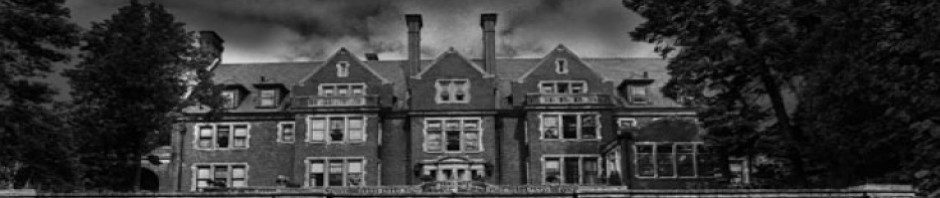
I remember visiting Glensheen when I was a child. To me, it was a palace filled with treasures, beautiful things from all over the world. Glensheen was a huge red brick house, almost castle-like, with gables, a steeply sloped roof and skinny chimneys towering above it all. You entered through a gigantic front door that a butler opened for you to a central hall with long hallways to either side that led to big, beautiful rooms. Across from the entrance was the grand stairway of hand-carved oak with colorful stained-glass windows rising above it. Glensheen is the most beautiful home.
Both Congdon parents, Chester and Clara, had been born poor. Their fathers were Methodist preachers. It was Chester’s incredible drive and his intelligence that made him, at one point, Minnesota’s wealthiest man. He was proud of his success and Glensheen was his triumphant shrine. Chester was an early part of Minnesota’s Mesabi Range iron mining industry. My great-grandfather opened several mines on Mesabi and became one of Chester’s partners and the two families intermarried.
The iron mines were places of terrible oppression for the miners. The pay was very low and the working conditions were ghastly. My family mines were bought out by Andrew Carnegie and then by J.P. Morgan. My family was briefly involved with John D. Rockefeller. I was shocked to discover that these mining companies dealt with their striking workers by hiring militias that opened fire on the strikers and shot them down. I was so angry I wrote about them in some detail, about my great-grandfather, Chester Congdon, Andrew Carnegie and John D. Rockefeller. These are not pretty stories.
Glensheen had been built as a celebration of great wealth. I have always found it strange that the daughter of said wealth, Elisabeth Congdon, who was a lovely woman, paid for that wealth with her life.
 Strychnine in the Marmalade